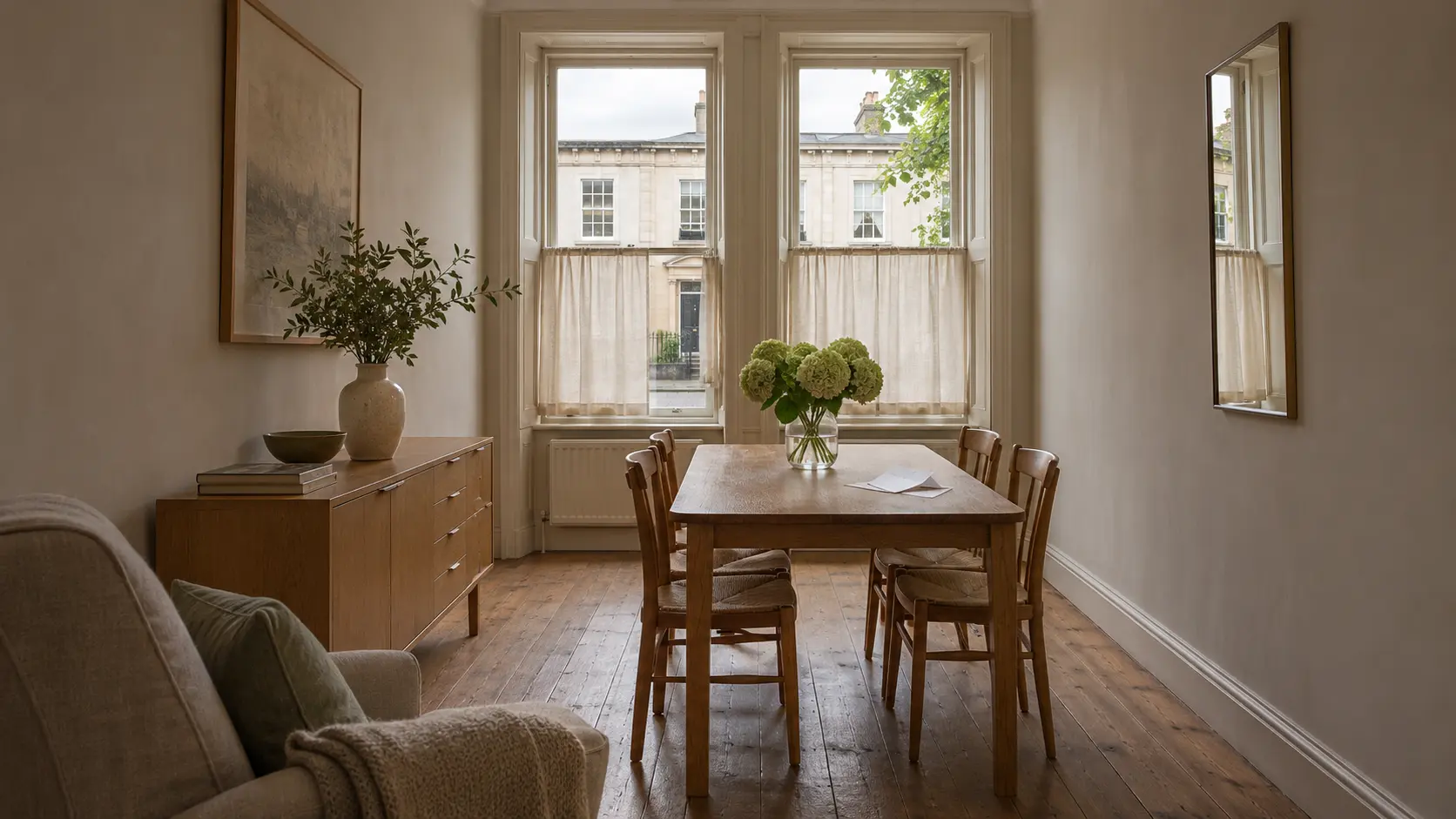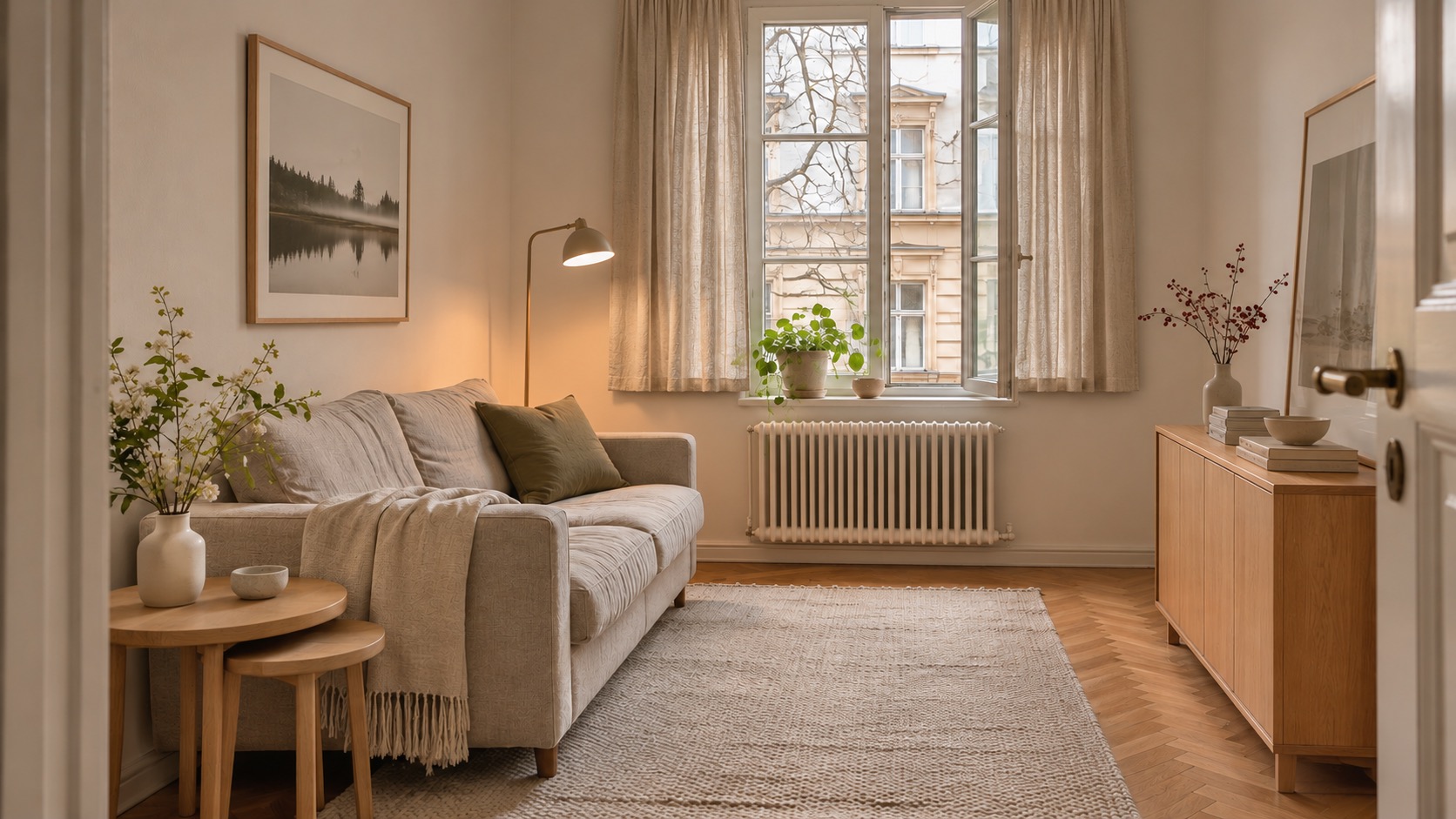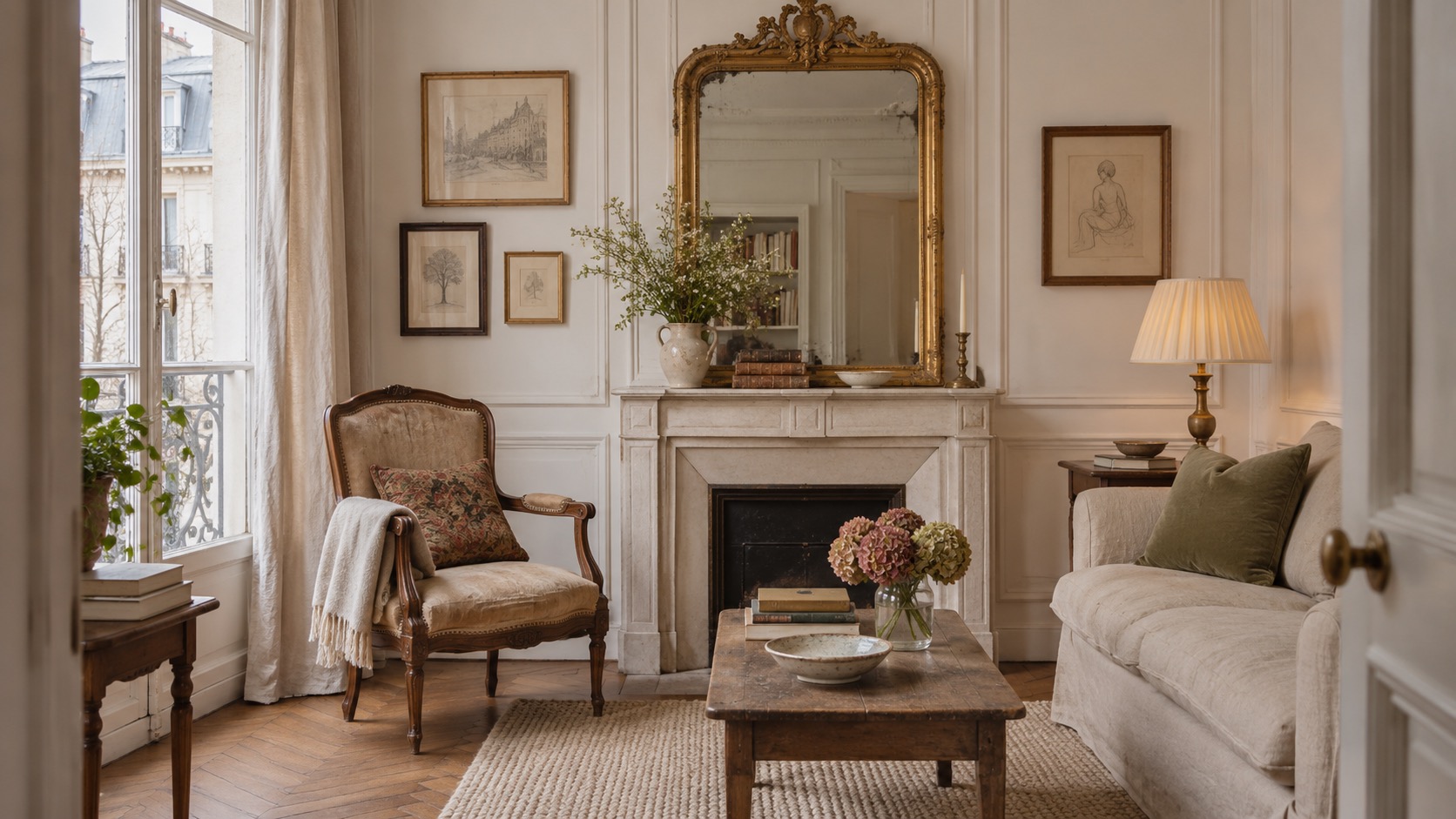
What to Keep When Renovating a Period Apartment in 5 Steps
What to Keep When Renovating a Period Apartment Stand in the doorway between two reception rooms and close the double doors. A moment ago you had space for a birthday…
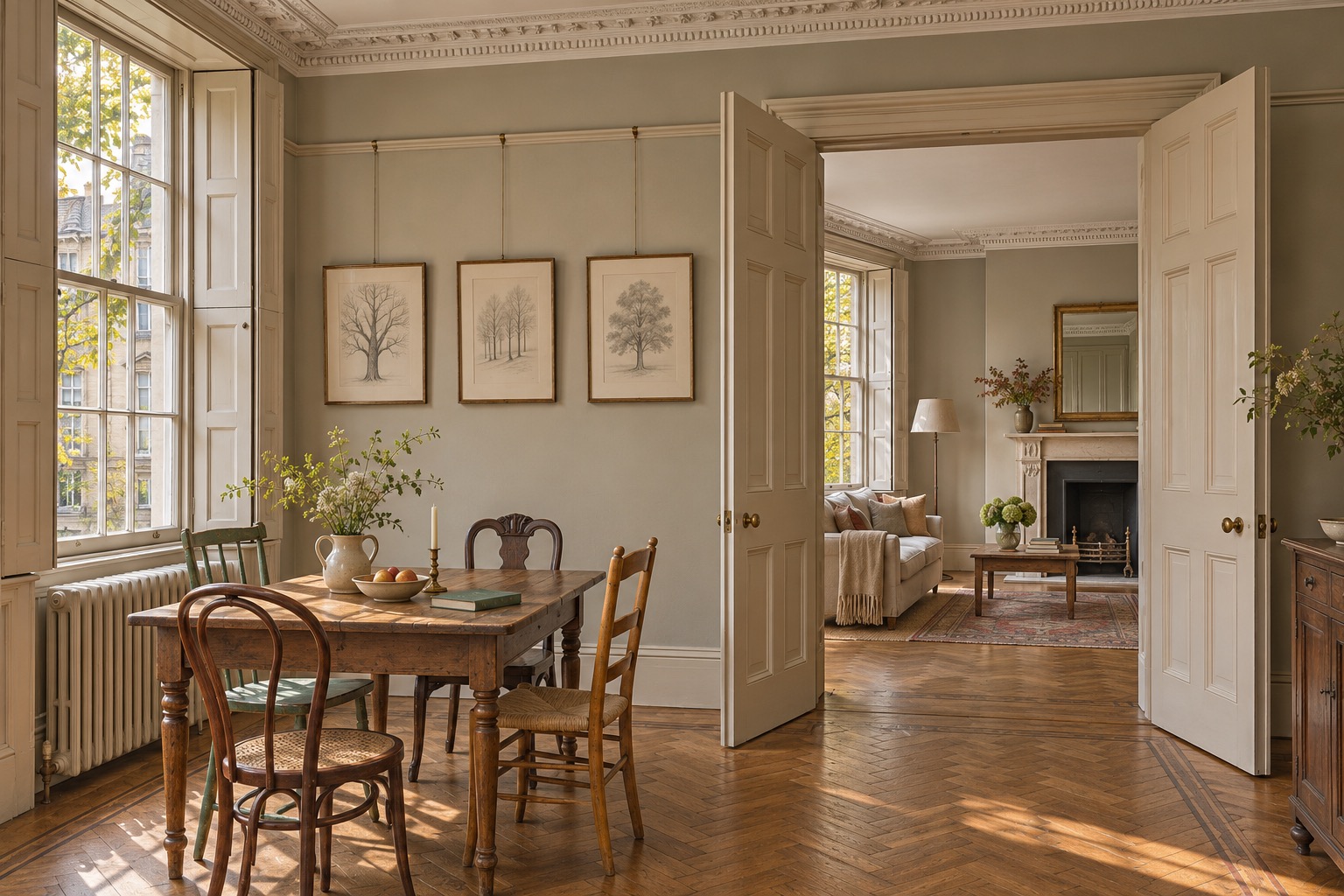
Stand in the doorway between two reception rooms and close the double doors. A moment ago you had space for a birthday lunch. Now someone can read by the window while you clear the table next door. Those doors might need adjusting, but they have just earned a place in your renovation plan.
What to Keep When Renovating a Period Apartment begins with decisions like this. Look for original features that give you daylight, useful storage, privacy or simply something beautiful to see from your favourite chair. Then work out which ones need attention. A scuffed floor can wait while you investigate a leaking window. Here’s how to walk through your apartment and draw up a keep list you can actually use.
Preserve the period apartment layout that makes hosting easy
Keep the proportions of the reception rooms
Before dividing a generous front room, set it up for the largest gathering you genuinely enjoy hosting. Borrow chairs, extend the table and give someone the seat nearest the door. Can they get up while everyone else is eating? Walk through carrying a platter. You’ll soon discover which stretch of empty floor makes the room feel generous. On ordinary days, a reading chair or a small games table can give that same corner a purpose without committing it to a partition.
Retain connecting doors for company and quiet
Spend an evening using the connecting doors both ways. Open them while friends are arriving, then close them while someone takes a call. Listen from the other side. If the doors catch or one leaf refuses to stay shut, ask a joiner to look at the hinges and latch before you give up on the arrangement. Meanwhile, keep furniture clear of the swing. Even a beautiful pair of doors will spend its life closed if opening it means moving the sofa.
Protect the route between kitchen and dining room
Trace the trip from the hob to the dining table, including the turn you make with both hands full. An existing service door may save a long walk through the hall. But if breakfast is the only meal you usually eat in the kitchen, a smaller table could solve the problem that first made you consider opening the wall. These small kitchen breakfast nooks that leave room to cook show how a window bench and a pedestal table can leave the cook a clear aisle.
Keep original windows and the daylight they bring
Assess sash windows one opening at a time
Give each window its own line in your notebook. Does it open, stay up and close snugly? Where do you feel a draught? A sticking sash in the front room and a decayed sill in the bedroom deserve separate estimates. Ask a joiner experienced with older windows to identify sound timber and price local repairs. For an illustrated guide to what can be retained and how draughts can be addressed, see Historic England’s advice on repairing windows in an older home.
Save working shutters and their recesses
Open a pair of folding shutters all the way and look at where the panels go. A shallow recess beside the frame can swallow a whole shutter, leaving the glass clear during the day. Measure that movement before ordering curtains, a window seat or fitted shelves. Then close the shutters at dusk. If the room feels comfortable and private, you may already own the window treatment you were about to buy. Include any loose catch or stiff hinge in the joiner’s estimate.
Follow natural light through adjoining rooms
On a bright morning, sit in the darker of two adjoining rooms and have someone open the connecting doors. Notice how far you can read a page without switching on a lamp. Repeat the exercise in the afternoon because the brightest doorway may change. If an existing glazed panel above a door brings daylight into the hall, include it on the keep list. A tall cupboard drawn across that opening can change the feel of a space several steps away.
Restore period floors, plasterwork and fireplaces
Read the border of an original parquet floor
Start at the edge of the room. A narrow band of parquet running around a fireplace or into a bay shows how the floor was laid out for this particular space. Photograph the pattern before discussing repairs. If blocks are loose beside one doorway, ask a flooring specialist to quote for that patch and assess the thickness available for refinishing. Take a finish sample home. The colour that looked right in a workshop might turn orange beside your own oak doors.
Preserve plaster cornices where old and new meet
Look up where a proposed wardrobe will meet the ceiling. A deep cornice can disappear behind the wardrobe’s front edge, leaving a short, awkward fragment above the door. Try marking a lower cabinet height on a photograph. A little space above the piece might let the moulding run visibly from one corner to the next. Where a section is missing, photograph a sound length side on so a plaster specialist can see the profile you want to match.
Keep a fireplace surround that anchors the room
A fireplace can earn its place even if you only use the mantel for photographs. Try arranging two chairs on either side, then stand back in the hall. The surround gives the chairs a natural centre and leaves the route behind them free. Look closely at the hearth as well. Its worn tiles might contain exactly the green you want for the walls. Take a photograph in daylight and use it when you go to choose paint samples.
Use original joinery to make room for an art collection
Keep picture rails that suit the artwork
Lay your frames on the floor in front of their intended wall. A row of small drawings might look best together in the dining room, while one large print deserves the view through the double doors. If you want to hang pieces from an old picture rail, have its fixing and load capacity assessed for the actual frames. Meanwhile, paper templates let you try different heights. Check the arrangement from your chair as well as from the doorway.
Adapt alcove cupboards around what you own
Open an alcove cupboard and measure the usable depth with its door shut. Now measure the serving bowl, record sleeves or board games you hope to keep there. Sometimes moving one shelf gives a well-made cupboard another generation of use. In a reception room, closed storage below and a single framed piece above can be enough. Leave yourself somewhere to set a guest’s glass without having to shift a sculpture every time friends come round.
Retain door furniture that feels good to use
Try the handles with your hands full and invite anyone who shares the apartment to do the same. A comfortable brass lever is worth keeping even when its finish has mellowed. If the latch sticks, ask whether the mechanism can be serviced while keeping the handle and backplate together. Before decorating, photograph each set on its door. Label the fittings by room and side so the handle worn smooth under your thumb finds its way back to the right place.
Set priorities for your period apartment renovation
Build a room-by-room list of original features
Use one photograph and a few lines per item. “Dining-room doors, keep both leaves, right latch slips” gives a contractor something specific to price. Add a column for why each feature matters to you. Knowing that the doors let an overnight guest sleep while someone makes coffee helps everyone understand why getting the latch right matters. For uncertain items, write down the question still to answer and who can answer it before removal begins.
Compare repair quotes for the same work
Ask each contractor to quote against the same photograph and description. Does the window estimate cover the frame, cords, decoration and refitting the shutters? Who will protect the parquet while the work happens? Ask where the doors will be stored during plaster repairs and who will hang them again afterwards. A modest allowance for that work now can spare you an awkward surprise later. Comparing those details makes a cheaper quote easier to interpret. If funds are tight, identify one repair that makes a room usable now and one cosmetic decision that can wait. Living with the floor for a season may settle the question of its finish.
In conclusion, keep the details you would miss
Walk through your plan once more at the time of day you love most. Perhaps the evening light catches a painting from the hall, or closing the kitchen door lets the conversation carry on over dinner. Write those moments into the brief. They tell you which openings, surfaces and fittings deserve your attention first. When the work is finished and your friends pull their chairs up to the table, the apartment should still do those small things for you.
Found this useful? Save it for later.